Peer-Reviewed Publications
In this article, I uncover the jail diaries of a revolutionary woman of the 20th century Pakistan, Akhtar Baloch. Although feminism in Pakistan has oscillated between liberal and postcolonial camps, through reading Akhtar’s diaries, compiled as Prison Narratives (2017), I center Akhtar’s own struggles for Sindh, along with the resistance of the women she met in the prison convicted for the murders of their husbands, to better theorize Marxist Feminism in Pakistan that overturns the structures that commodify women through love and revolution. My article will show the commodification of women’s bodies; the “sale” of women through marriage as the goal of this commodification; the lovelessness and alienation women experience in commodified marriages; the unexpected fall in love with someone whom it is subversive for the commodified wife to love; the subversion of this unexpected event that leads to the attempted resolution of this tension through murder; the separation of the lovers through the incarceration of the woman by the capitalist-patriarchal state; and finally, the unexpected outcome (albeit the most common one) that the male lover abandons his female lover once she’s jailed, but the defiantly brave female lover finds platonic love in jail through close female friendships with other women who are similarly brave in both love and in revolution. Through this exposition, I show that Akhtar’s diaries provide a way for us to build on Marxist Feminist theory through a theory of love and revolution from a Sindhi feminist perspective.
Winner, Daniel G Hill Prize for Best Graduate Student Paper in the Department of Sociology U of T
Winner, CSA Historical and Comparative Research Cluster Best Student Paper Award
In revolutionary anti-colonial movements, women's involvement has been limited, and their contributions often marginalized or forgotten. This is not only an empirical puzzle in that anti-colonial movements have historically recruited women and furthered feminist discourse while also marginalizing female members, but also a political problem for movements that the lived reality for female participants diverges from the egalitarian philosophies of the movements themselves. In this article, I build on and further develop theories of feminist world-systems analysis, contending that feminist world-systems needs to rethink theories of anti-systemic movements to better include women’s revolutionary roles as active agents in the historical process of colonial independence and decolonization. In so doing, I contend that a revolutionary feminist world-systems analysis is increasingly important to analyze that women’s active roles as revolutionary agents have been sidelined because the movements that they have been a part of have also found themselves co-opted by dominant liberal ideology. This theoretical position is illustrated through an analysis of the published periodicals of the anti-colonial Ghadar Party. Through this empirical case study, I show that Ghadar’s revolutionary potential receded to the background because of its failures to fully include its female members. This case study is then levied to demonstrate how reviving a feminist world-systems analysis can help us better theorize women’s important but under-analyzed role in revolutionary anti-colonial movements.
Manuscripts in Progress
Miraj, Umaima. “The Cost of Revolutionary Struggle: Property Forfeiture as Gendered Dispossession after the Ghadar Uprising of 1915.”
Winner, ASA Marxist Section Szymanski-Young Graduate Student Paper Award
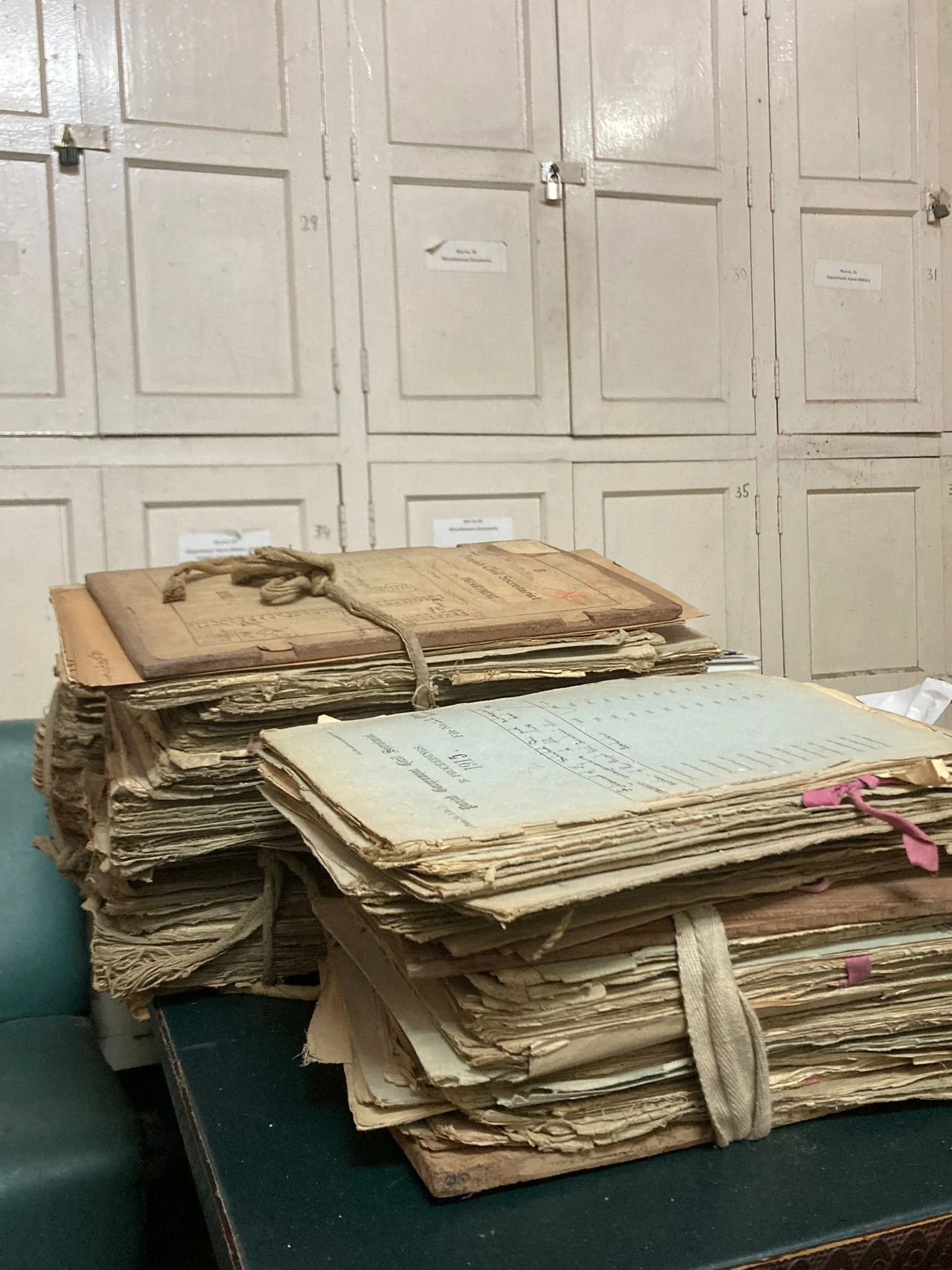
This article examines previously unseen archival documents to unravel property forfeiture as an overlooked site of colonial reproduction of male property ownership which ultimately led to women’s dispossession as state response to anticolonial Ghadar movement during the First World War.
Miraj, Umaima. “Welfare in Lieu of Land: State Social Protection, the First World War, and the Sexual Differentiation of Labor and Property in Colonial India.” Under Review.
This article advances feminist theory on the welfare state through the vantage point of gendered colonial political economy by critically examining welfare policies instituted for Indian soldiers’ families to stimulate recruitment during the First World War, and unravels how colonial administrators sanctioned cheap welfare to families and delegated welfare responsibility to extended male kin while denying women land grants. In making this argument, this article forces extant theories of welfare to rethink welfare policies as foreclosing the possibility of landownership for women which, in the case of colonial Punjab, was its most pervasive outcome.